Choosing the Right Laboratory Balance: Precision, Analytical, and Moisture Balances Explained
1 min read
Choosing the right laboratory balance is essential for accurate measurements in research, industry, and quality control. This article explains the differences between precision balances, analytical balances, and moisture balances, helping you select the best option based on accuracy, capacity, and application. Whether you need a precision balance for general lab weighing, an analytical balance for ultra-fine measurements, or a moisture balance for rapid moisture analysis, this guide provides expert insights. Find high-quality laboratory balances from top brands at LabFriend.
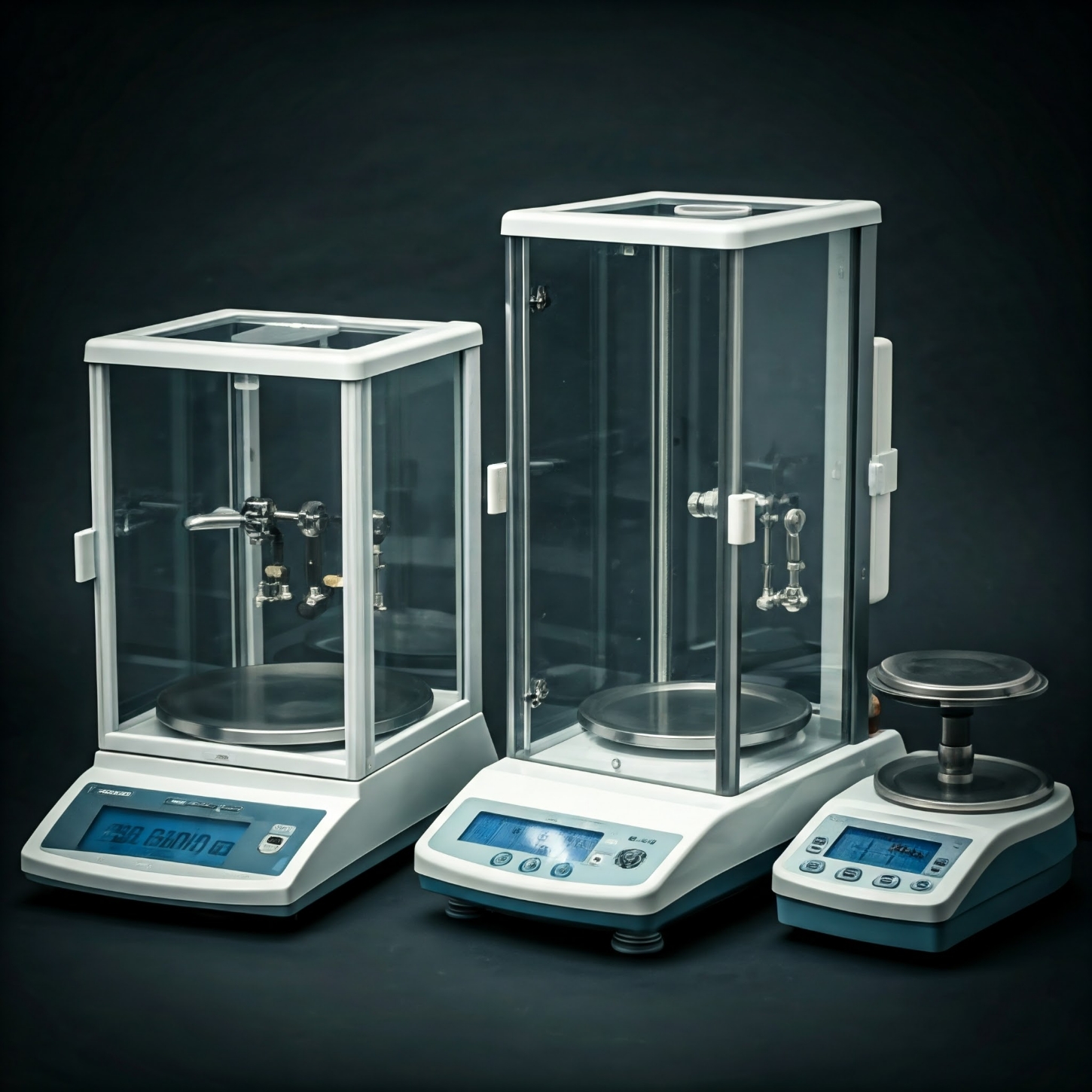
In any laboratory, accurate measurements are essential. Whether you’re weighing samples, analyzing chemical compounds, or measuring moisture content, choosing the right balance ensures reliability and efficiency. This guide will help you understand the differences between precision balances, analytical balances, and moisture balances, and how to select the best one for your needs.
What is a Precision Balance?
A precision balance is a high-accuracy weighing instrument used in laboratories, industrial settings, and research applications. It provides greater precision than standard scales but does not measure in the ultra-fine increments of an analytical balance.
Key Features of Precision Balances:
✔️ Readability typically ranges from 0.001 g to 0.1 g
✔️ Ideal for formulation, density determination, and quality control
✔️ Can handle higher capacity loads compared to analytical balances
Precision balances are commonly used in pharmaceutical labs, food testing, and material science industries where accurate mass measurement is critical.
What is an Analytical Balance?
An analytical balance offers even higher precision, designed for applications requiring extreme accuracy. These balances are enclosed in a draft shield to prevent air currents from affecting measurements.
Key Features of Analytical Balances:
✔️ Readability as fine as 0.0001 g (0.1 mg)
✔️ Essential for chemical analysis, drug formulation, and micro-sample weighing
✔️ Built-in calibration functions for enhanced accuracy
If your work involves minute sample sizes or requires compliance with strict laboratory regulations, an analytical balance is the right choice.
What is a Moisture Balance?
A moisture balance (also called a moisture analyzer) is a specialized instrument used to determine the moisture content in samples by weighing them before and after controlled heating.
Key Features of Moisture Balances:
✔️ Provides rapid moisture analysis for powders, grains, and food samples
✔️ Uses halogen or infrared drying to remove moisture
✔️ Crucial for food processing, pharmaceuticals, and agricultural research
Moisture balances are widely used in industries where controlling moisture levels is vital to product quality and shelf life.
How to Choose the Right Balance for Your Lab
Selecting the right balance depends on:
✅ Application – Are you measuring bulk samples (precision balance), ultra-small samples (analytical balance), or moisture content (moisture balance)?
✅ Readability & Accuracy – Consider how fine your measurements need to be.
✅ Capacity – Make sure the balance can handle the sample size required for your tests.
✅ Compliance – Check if the instrument meets regulatory standards (e.g., GLP, ISO).
Find the Best Laboratory Balances at LabFriend
At LabFriend, we offer a wide range of precision balances, analytical balances, and moisture balances from leading global brands. Whether you need high-accuracy weighing solutions for your research, manufacturing, or quality control processes, we have the right balance for your lab.
🔍 Explore our collection today at LabFriend and find the perfect balance for your needs!
Frequently asked questions
Most orders ship within 24 hours and arrive in 3–5 business days depending on your location.
.png)