5 Practical Tips to Extend the Life of Your Laboratory Equipment
3 mins read
Lab equipment is built to last—but only with the right care. Discover 5 expert tips to extend the life of your laboratory equipment and avoid costly repairs or replacement. LabFriend supports research labs across Australia with service-ready equipment, consumables, and expert guidance.
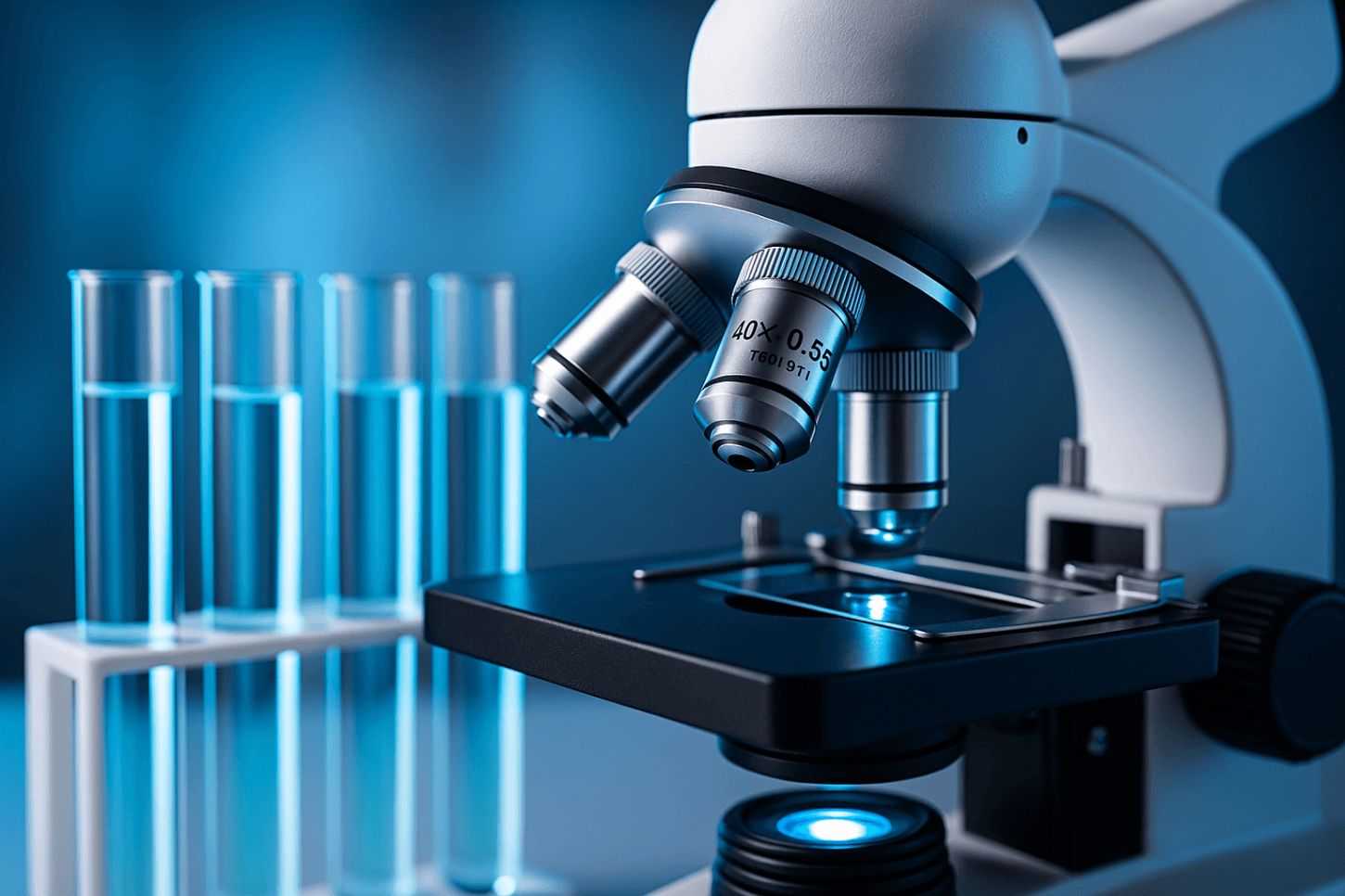
Laboratory equipment is the backbone of scientific discovery. Whether you're running a diagnostic lab, conducting academic research, or leading product development in pharmaceuticals or food testing, your instruments must perform with accuracy, consistency, and reliability. But even the best equipment wears down over time—unless it’s properly maintained.
At LabFriend, we often hear the same question from scientists across Australia: "How can I make my lab equipment last longer without increasing my operating costs?" The answer lies in preventive care, correct use, and smart accessories.
In this article, we share 5 practical tips to extend the lifespan of your laboratory equipment, cut down on repairs, and maintain data integrity—while getting the most from your investment.
✅ Tip 1: Follow a Preventive Maintenance Schedule
One of the most effective ways to protect your lab equipment is to stay ahead of problems with scheduled maintenance.
Just like a car engine, your centrifuge, pipette, oven, or balance needs regular care to stay accurate and efficient. Waiting until something breaks often means longer downtimes and more expensive repairs.
✔ What to do:
-
Create a maintenance calendar for all critical lab devices.
-
Include daily, weekly, monthly, and annual checks based on manufacturer recommendations.
-
Assign responsibilities to your lab team to check and log cleaning, calibration, or service notes.
🛠 Examples:
-
Calibrate pipettes every 3 to 6 months.
-
Clean and inspect centrifuge rotors weekly.
-
Replace oven door gaskets when cracking appears.
-
Verify balance accuracy with certified weights monthly.
💡 LabFriend offers compatible calibration accessories and can advise on maintenance-compatible brands.
✅ Tip 2: Use Certified Consumables and Accessories
Many lab equipment failures are caused not by the machine—but by using low-quality or incompatible consumables.
For instance, using non-compatible pipette tips can lead to:
-
Inaccurate volumes
-
Pipette damage
-
Cross-contamination
And using the wrong centrifuge tubes can result in cracked rotors or lost samples due to imbalanced spins.
✔ What to do:
-
Only use consumables certified by the equipment manufacturer.
-
Purchase from brands known for precision and compatibility, like:
-
BRAND – for pipette tips and volumetric labware
-
Kartell – for centrifuge tubes and general plastics
-
ISOLAB – for autoclavable glass and plasticware
-
DWK Life Sciences DURAN® – for premium borosilicate glass bottles and flasks
-
🔗 Shop Lab Consumables at LabFriend
✅ Tip 3: Train Your Team (Even the Experienced Ones)
Human error is one of the top reasons for damaged lab equipment. Whether it’s incorrect pipetting technique, improper centrifuge loading, or running hotplates unattended, small mistakes add up to big problems.
✔ What to do:
-
Offer quarterly training sessions on how to use and maintain core lab instruments.
-
Cover correct usage, cleaning protocols, and what to do in case of malfunction.
-
Train new staff as part of onboarding—even if they’ve “used the same model before.”
💡 Even short refresher training can reduce downtime and improve equipment life by 30–40%.
✅ Tip 4: Store and Handle Equipment the Right Way
Lab equipment is precision machinery—it’s not built to be tossed in a drawer or left in a dusty corner.
Improper storage leads to:
-
Moisture and dust buildup
-
Rust and internal contamination
-
Misalignment of internal components
✔ What to do:
-
Use dust covers for balances, pipettes, and water baths when not in use.
-
Store instruments in cool, dry spaces, away from windows and vibration.
-
Place delicate instruments like spectrophotometers or hotplates on vibration-resistant surfaces.
If you’re storing seasonal-use equipment (e.g., freeze dryers, vacuum ovens), consider running them periodically to prevent seal failure or stagnation.
✅ Tip 5: Partner With Equipment Brands That Offer Local Support
Not all lab equipment is created equal. One often overlooked factor in equipment lifespan is after-sales support. Some brands offer fast access to spare parts, manuals, and calibration guides—others don't.
Choosing a product that’s serviceable in Australia, and from a brand with an established local footprint, means:
-
Less downtime
-
Easier repairs and part replacements
-
Ongoing calibration support
🏷 LabFriend’s top serviceable brands include:
-
Thermo Scientific – Wide support network and service-ready instruments
-
Eppendorf – Pipette calibration kits and repair services
-
IKA & Heidolph – Modular designs and spare parts availability
-
Grant Instruments – Easy-to-service water baths and shakers
-
OHAUS – Balance service kits and digital calibration options
🔧 Explore Equipment With Full Lifecycle Support →
📈 Why This Matters: The True Cost of Neglected Lab Equipment
Replacing a centrifuge prematurely? That could cost $3,000–$8,000.
Losing experimental data due to faulty pipetting? That could delay weeks of research or product testing.
Over time, preventable equipment issues lead to:
-
Increased budget spending
-
Research delays
-
Loss of credibility (especially in regulated environments)
-
Non-compliance with ISO/NATA/GLP standards
Small, consistent habits in equipment care and handling protect your data, your team, and your budget.
🧪 Final Thoughts
Laboratory equipment is an investment—not just in tools, but in the quality and reliability of your research. By following these five practical tips—regular maintenance, proper accessories, team training, safe storage, and smart brand choices—you can extend the life of your instruments and avoid unexpected disruptions.
At LabFriend, we not only help you source laboratory equipment, but we also help you get the most from it. From pipette calibration and tube compatibility to serviceable instruments and spare parts, we’ve got your back.
🔬 Ready to elevate your lab work? Explore now at LabFriend
Frequently asked questions
Most orders ship within 24 hours and arrive in 3–5 business days depending on your location.


