Hydrogen Peroxide in the Laboratory: Uses, Safety, and Best Practices
2 mins read
Hydrogen peroxide (H₂O₂) is a versatile chemical compound widely used across scientific laboratories, medical facilities, and industrial applications. Known for its strong oxidizing properties, it plays a critical role in disinfection, chemical synthesis, and environmental analysis. Its unique ability to break down into water and oxygen makes it an eco-friendly option for various lab processes.
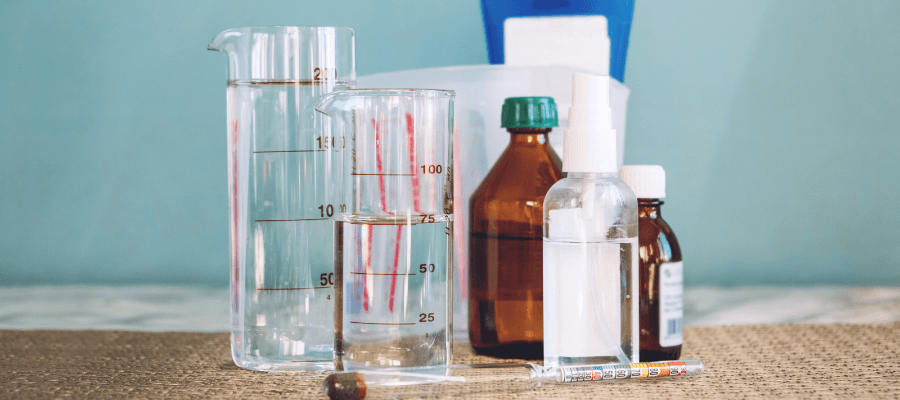
Hydrogen Peroxide: Properties, Applications & Safety in Labs
Introduction
Hydrogen peroxide (H₂O₂) is a versatile chemical compound widely used across scientific laboratories, medical facilities, and industrial applications. Known for its strong oxidizing properties, it plays a critical role in disinfection, chemical synthesis, and environmental analysis. Its unique ability to break down into water and oxygen makes it an eco-friendly option for various lab processes.
In this blog, we’ll dive into the properties, common applications, and safety guidelines for using hydrogen peroxide in laboratory settings.
What is Hydrogen Peroxide?
Hydrogen peroxide is a colorless, odorless liquid that consists of two hydrogen atoms and two oxygen atoms. It's often used in diluted solutions for laboratory and industrial purposes.
Key Chemical Properties:
- Molecular Formula: H₂O₂
- Molar Mass: 34.0147 g/mol
- Boiling Point: 150.2°C (302.4°F)
- Decomposition: Breaks down into water (H₂O) and oxygen (O₂), especially in the presence of light, heat, or catalysts like metals.
Common Uses of Hydrogen Peroxide in Laboratories
1️⃣ Disinfection & Sterilization
Hydrogen peroxide’s strong oxidizing properties make it an effective disinfectant for lab surfaces, glassware, and instruments. It's commonly used to:
- Sterilize biosafety cabinets and clean laminar flow hoods
- Disinfect lab benches and workstations
- Decontaminate biological waste
2️⃣ Analytical Chemistry Applications
In chemical analysis, hydrogen peroxide serves as a reagent in various testing protocols. It’s used in:
- Titrations – Acts as an oxidizing agent in redox reactions
- Spectrophotometry – Assists in determining concentrations of certain compounds
- Environmental Testing – Used for water and air quality analysis
3️⃣ Chemical Synthesis
Hydrogen peroxide is a key reactant in the production of organic and inorganic compounds, often used for:
- Epoxidation of alkenes
- Oxidation of alcohols
- Synthesis of bleaching agents and polymers
4️⃣ Environmental Applications
Due to its environmentally friendly decomposition, hydrogen peroxide is used in:
- Wastewater treatment – Oxidizes pollutants and neutralizes contaminants
- Soil remediation – Breaks down harmful chemicals in contaminated soil
5️⃣ Biological Research
In life sciences, hydrogen peroxide plays a role in studying oxidative stress and cellular responses. It’s used to:
- Induce oxidative stress in cell cultures for research
- Study enzyme reactions involving catalase and peroxidase
Safety Precautions When Handling Hydrogen Peroxide
🔒 Personal Protective Equipment (PPE)
- Wear gloves, safety goggles, and a lab coat
- Use a face shield for high concentrations
🌡️ Safe Storage
- Store in dark, cool environments
- Use containers made of plastic or stainless steel (avoid metal catalysts like iron or copper)
- Ensure containers are well-sealed to prevent decomposition
⚠️ Handling Guidelines
- Work in a well-ventilated area or use a fume hood
- Never mix hydrogen peroxide with flammable materials or organic compounds unless required
- In case of contact with skin or eyes, rinse immediately with plenty of water and seek medical attention
Environmental Impact of Hydrogen Peroxide
One of hydrogen peroxide’s major benefits is its eco-friendliness. Unlike many chemical disinfectants and oxidizers, it breaks down into water and oxygen, leaving no harmful residues. This makes it a responsible choice for:
- Industrial waste treatment
- Eco-friendly laboratory cleaning solutions
- Reducing chemical waste in scientific research
Conclusion
Hydrogen peroxide is an incredibly versatile and eco-friendly chemical with a wide range of laboratory applications, from disinfection and chemical synthesis to analytical testing. Its strong oxidizing properties and environmental benefits make it a valuable tool for scientific research and industrial processes.
At LabFriend, we offer high-quality hydrogen peroxide solutions and other essential lab chemicals for research and industrial applications.
🔬 Ready to elevate your lab work? Explore now at LabFriend
Frequently asked questions
Most orders ship within 24 hours and arrive in 3–5 business days depending on your location.


