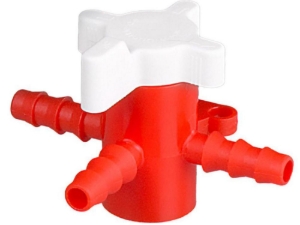
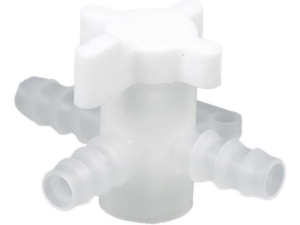
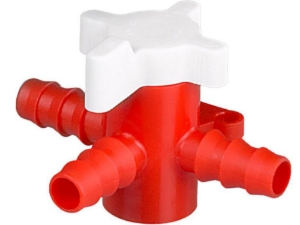
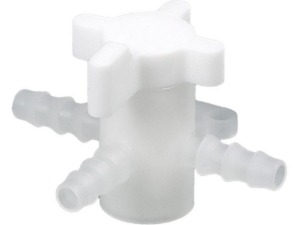
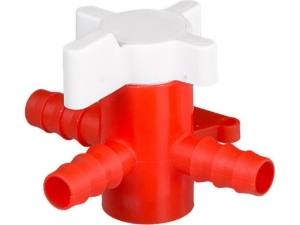
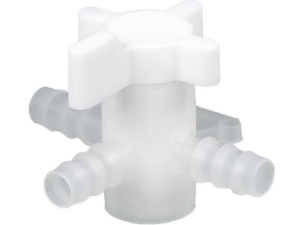
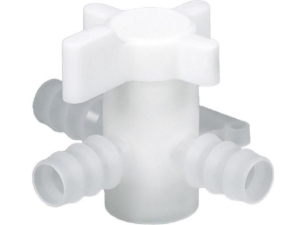
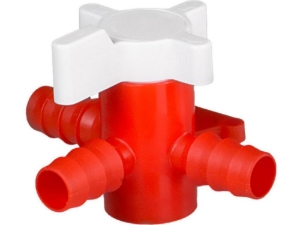
Representative Image

Bürkle 3-Way Stopcock, PE/PP, 4 mm Bore, for 5–7 mm Tubing

Brand:Burkle

Bore

Colour

Int. tubing Ø

Material

Min. temp. resistance

Temperature resistance

Specifications

Compare models
Bore
4 mm
Colour
Red/white
Int. tubing Ø
5 ... 7 mm
Material
PP/PE
Max. temp. resistance
40 °C
Min. temp. resistance
5 °C
No. of nozzles
3
Temperature resistance
5 ... 40 °C
UNSPSC
39121434

R 480.70

Inc. VAT

Supplier Stock: 5
Estimated shipping time from Germany : 6-8 weeks

Product description

The Bürkle 3-Way Stopcock is designed for industrial applications requiring reliable control of liquid or gas flow. Constructed from durable polyethylene (PE) and polypropylene (PP), this stopcock is suitable for various industrial uses. With a 4 mm bore, it fits tubing with an inner diameter of 5–7 mm, ensuring a secure connection. The red and white color scheme aids in easy identification within complex systems.

Key Features:

  • Brand: Bürkle
  • Material: Polyethylene (PE) and Polypropylene (PP)
  • Bore Diameter: 4 mm
  • Compatibility: Fits tubing with an inner diameter of 5–7 mm
  • Operating Temperature: +5 °C to +40 °C
  • Pressure Resistance: Up to 1 bar
  • Application: Ideal for industrial control of liquid or gas flow

This 3-way stopcock is an essential component for industrial settings requiring dependable fluid or gas flow management.


Frequently Asked Questions

1. What is the Bürkle 3-Way Stopcock, PE/PP, 4 mm Bore, for 5–7 mm Tubing used for?

It is designed for industrial applications requiring reliable control of liquid or gas flow. Constructed from durable polyethylene (PE) and polypropylene (PP), this stopcock is suitable for various industrial uses. With a 4 mm bore, it fits tubing with an inner diameter of 5–7 mm, ensuring a secure connection. The red and white color scheme aids in easy identification within complex systems.

2. Is this product suitable for industrial control of liquid or gas flow?

Yes. It is designed for industrial control of liquid or gas flow, and offers a bore diameter of 4 mm and a pressure resistance of up to 1 bar to support this kind of work.

3. What bore diameter and pressure resistance does this product have?

It has a bore diameter of 4 mm and a pressure resistance of up to 1 bar.

4. What is this product made from and what features does it include?

It is made from polyethylene (PE) and Polypropylene (PP). It is compatible with tubing with an inner diameter of 5–7 mm. It also offers +5 °C to +40 °C.

Compare similar models

3-way stopcock, PE/PP, bore 4 mm for tubing bore 5-7 mm

Manufacturer P/N

8606-0060

Part Number

9.116 786

Manufacturer

Burkle

Bore

4 mm

3-way stopcock, PVDF, bore 6 mm for tubing bore 7-9 mm

Manufacturer P/N

8608-0080

Part Number

9.116 777

Manufacturer

Burkle

Bore

6 mm

3-way stopcock, PE/PP, bore 6 mm for tubing bore 7-9 mm

Manufacturer P/N

8606-0080

Part Number

9.116 787

Manufacturer

Burkle

Bore

6 mm

3-way stopcock, PVDF, bore 4 mm for tubing bore 5-7 mm

Manufacturer P/N

8608-0060

Part Number

9.116 776

Manufacturer

Burkle

Bore

4 mm

3-way stopcock, PE/PP, bore 8 mm for tubing bore 9-11 mm

Manufacturer P/N

8606-0100

Part Number

9.116 788

Manufacturer

Burkle

Bore

8 mm

3-way stopcock, PVDF, bore 8 mm for tubing bore 9-11 mm

Manufacturer P/N

8608-0100

Part Number

9.116 778

Manufacturer

Burkle

Bore

8 mm

3-way stopcock, PVDF, bore 8 mm for tubing bore 11-13 mm

Manufacturer P/N

8608-0120

Part Number

9.116 780

Manufacturer

Burkle

Bore

8 mm

3-way stopcock, PE/PP, bore 8 mm for tubing bore 11-13 mm

Manufacturer P/N

8606-0120

Part Number

9.116 789

Manufacturer

Burkle

Bore

8 mm

Insights

Explore
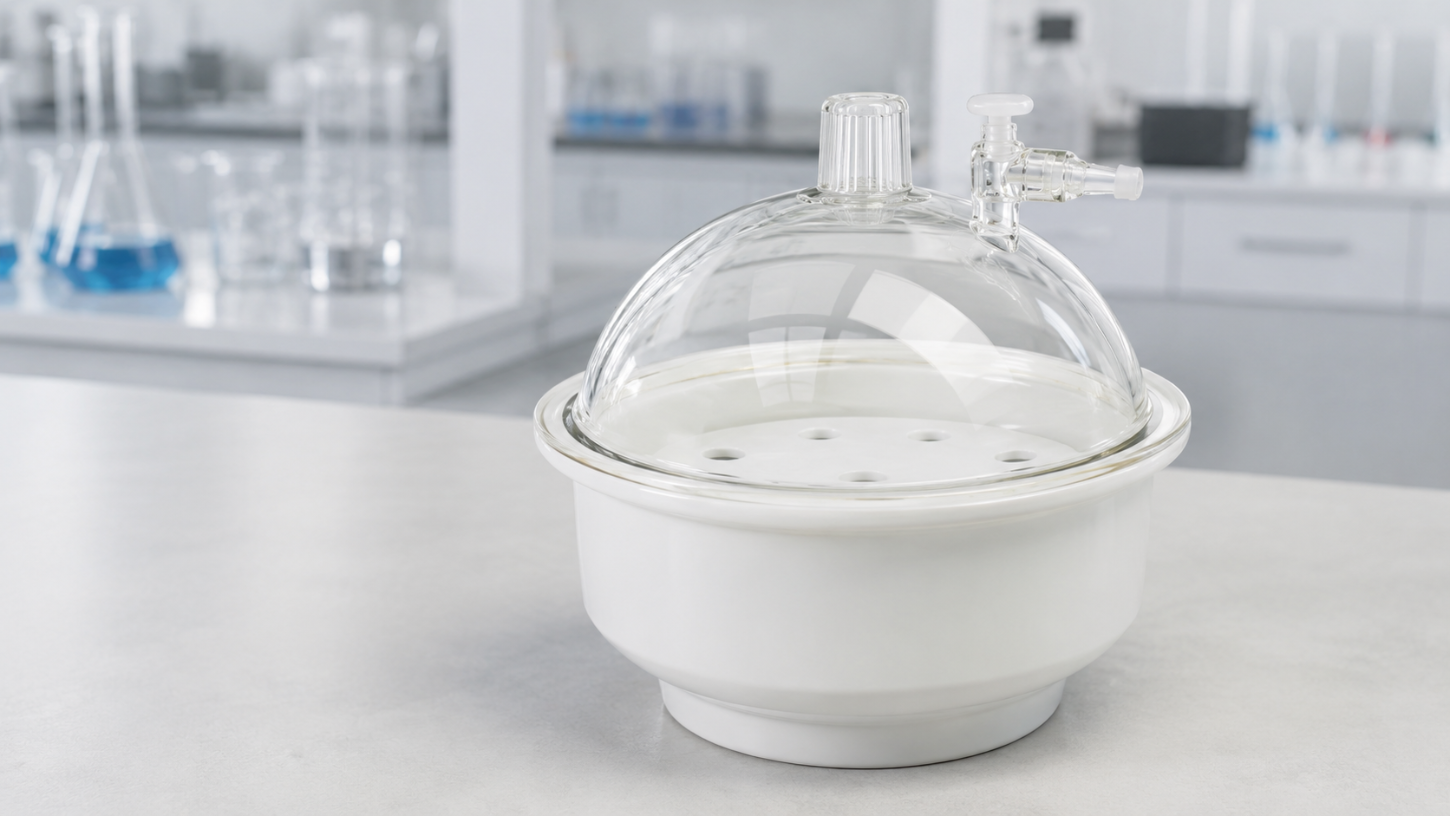
What is a Laboratory Desiccator? Uses, Types and How It Works

1 min read

What is a Laboratory Desiccator? Uses, Types and How It Works

A laboratory desiccator keeps its contents in a dry, low-humidity atmosphere, protecting hygroscopic reagents and moisture-sensitive samples and cooling heated samples for accurate weighing. This guide covers what it is, what it is used for, the main types, the desiccants that go inside, and how it works, with an animated drying cycle and a setup finder.

Read full story
What is a Buchner Funnel? Uses, Setup and How Vacuum Filtration Works

1 min read

What is a Buchner Funnel? Uses, Setup and How Vacuum Filtration Works

The Buchner funnel is the standard tool for fast vacuum filtration across South African labs, from minerals and assay work to SANAS-accredited QC. This guide covers what it is, what it is used for, how to set one up step by step, the main materials, and how vacuum filtration works, with an animated apparatus and a funnel finder.

Read full story
What is a Separating Funnel? Uses and How It Works

1 min read

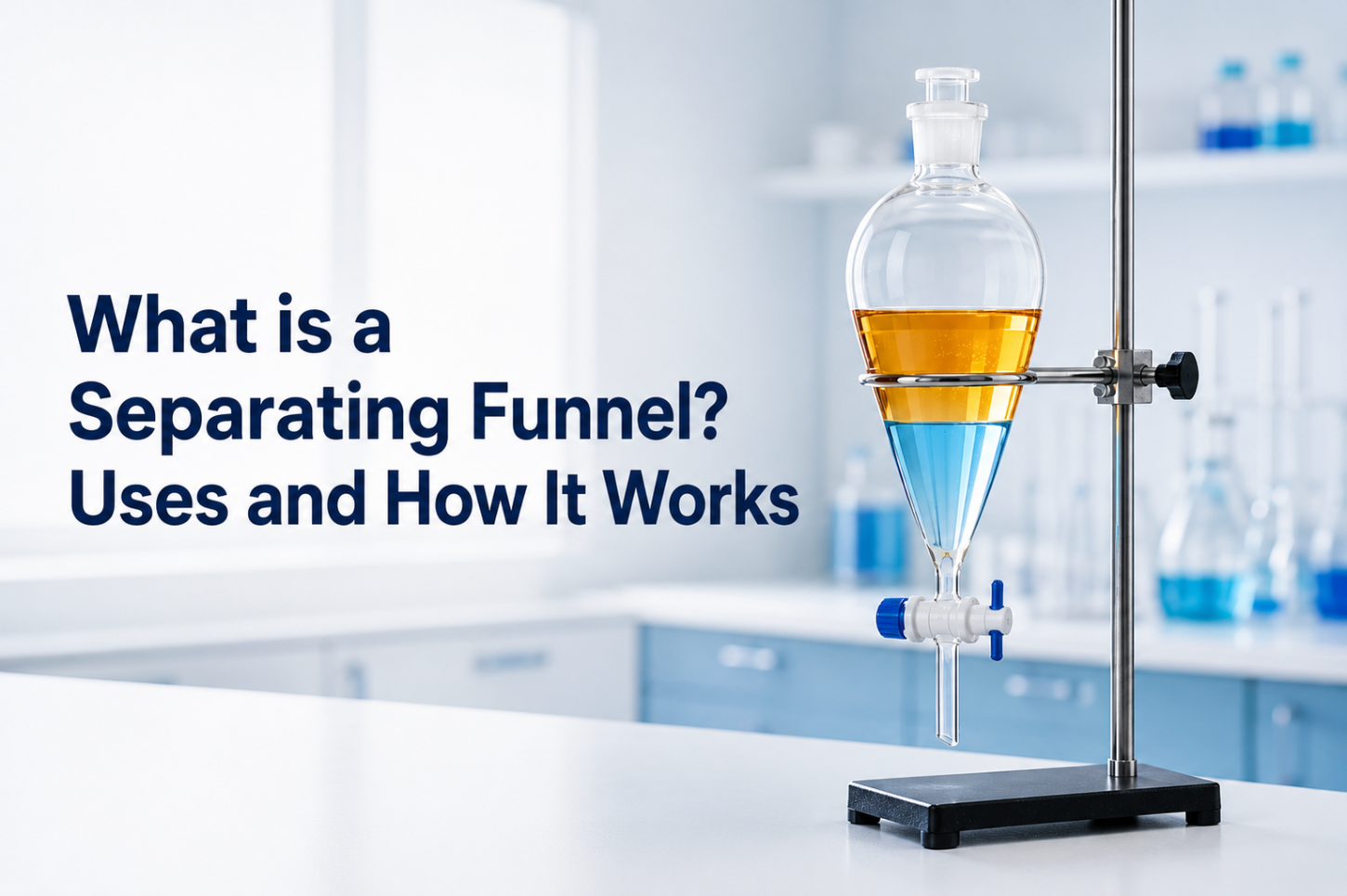
What is a Separating Funnel? Uses and How It Works

A separating funnel parts two immiscible liquids by density and is central to liquid-liquid extraction, from minerals and assay work to environmental testing and SANAS-accredited QC. This guide walks through what it is, how it works step by step, the pear-shaped and conical types, and how to choose one, with an animated demo and funnel finder.

Read full story

R 480.70

Inc. VAT