The Fritsch Test Sieve, featuring a 100 x 40 mm frame and 80 µm mesh size, is manufactured from premium stainless steel to ensure precision and long-lasting performance. Designed to meet ISO 3310-1 standards, this sieve is ideal for fine particle separation in laboratory settings.
Key Features:
Brand: Fritsch
Mesh Size: 80 µm for fine particle separation
Dimensions: 100 mm diameter x 40 mm height
Material: Stainless steel for chemical resistance and durability
Standard: Complies with ISO 3310-1 for consistent laboratory results
Applications: Ideal for analytical testing and particle size distribution analysis
Ensure reliable and reproducible sieving results with the Fritsch 100 x 40 mm sieve featuring an 80 µm stainless steel mesh—perfect for high-precision laboratory work.
It is manufactured from premium stainless steel to ensure precision and long-lasting performance. Designed to meet ISO 3310-1 standards, this sieve is ideal for fine particle separation in laboratory settings.
Yes. It is designed for analytical testing and particle size distribution analysis, and offers a mesh size of 80 µm for fine particle separation and dimensions of 100 mm diameter x 40 mm height to support this kind of work.
It has a mesh size of 80 µm for fine particle separation and dimensions of 100 mm diameter x 40 mm height.
It is made from stainless steel for chemical resistance and durability. It also offers complies with ISO 3310-1 for consistent laboratory results.
Discover the composition, properties and laboratory uses of borosilicate glass, including its role in South African mining, water testing, food, pharmaceutical, university and industrial laboratories.
A laboratory desiccator keeps its contents in a dry, low-humidity atmosphere, protecting hygroscopic reagents and moisture-sensitive samples and cooling heated samples for accurate weighing. This guide covers what it is, what it is used for, the main types, the desiccants that go inside, and how it works, with an animated drying cycle and a setup finder.
The Buchner funnel is the standard tool for fast vacuum filtration across South African labs, from minerals and assay work to SANAS-accredited QC. This guide covers what it is, what it is used for, how to set one up step by step, the main materials, and how vacuum filtration works, with an animated apparatus and a funnel finder.
A separating funnel parts two immiscible liquids by density and is central to liquid-liquid extraction, from minerals and assay work to environmental testing and SANAS-accredited QC. This guide walks through what it is, how it works step by step, the pear-shaped and conical types, and how to choose one, with an animated demo and funnel finder.
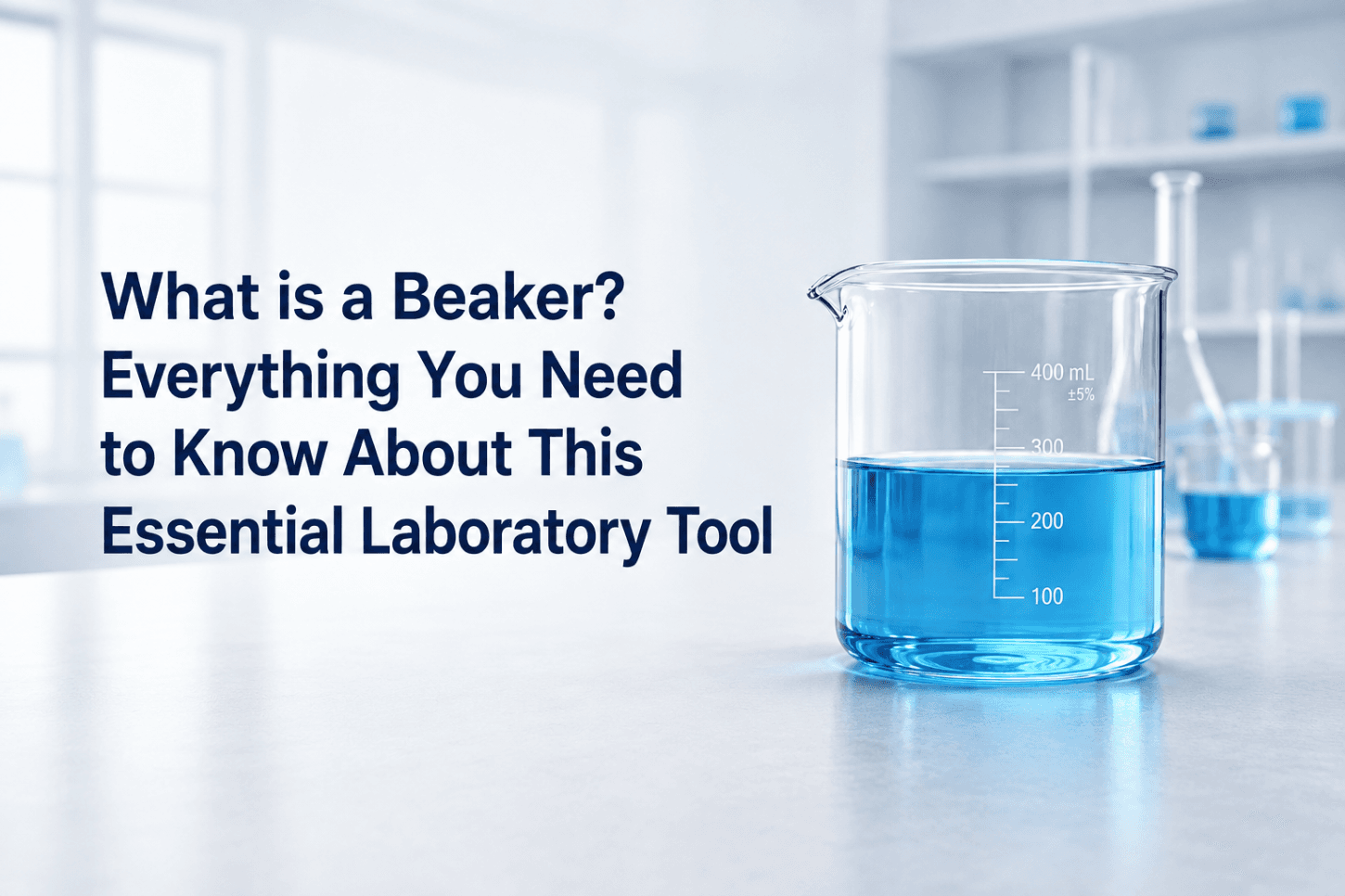
The beaker is a workhorse of the South African laboratory, at home in minerals and assay work, water and environmental testing, SANAS-accredited quality control and teaching labs. This guide explains what a beaker is, the shapes and materials on offer, and how to choose the right size and grade, with an interactive beaker finder and fill demo.