The Miele Carriage A 202 is a precision-engineered accessory designed for use with sieve dishes, featuring a Luer lock connection and an integrated washing arm. This carriage ensures efficient and thorough cleaning by delivering targeted washing to sieve surfaces, making it ideal for laboratory applications requiring meticulous sample preparation and cleaning. Built with durable materials, it is compatible with Miele washing systems for reliable performance.
Key Features:
Brand: Miele
Model: Carriage A 202
Connection: Luer lock connection for secure attachment
Function: Integrated washing arm for targeted, effective cleaning
Application: Designed for sieve dish cleaning in laboratory settings
Compatibility: Suitable for Miele laboratory washers
This carriage accessory enhances the cleaning efficiency of sieve dishes, ensuring high hygiene standards and ease of use within Miele cleaning systems.
Module for the optimal processing of laboratory glassware, with 10 injector stations
12678100
4.682 495
R 17 811,20
Frequently asked questions
It is a precision-engineered accessory designed for use with sieve dishes, featuring a Luer lock connection and an integrated washing arm. This carriage ensures efficient and thorough cleaning by delivering targeted washing to sieve surfaces, making it ideal for laboratory applications requiring meticulous sample preparation and cleaning. Built with durable materials, it is compatible with Miele washing systems for reliable performance.
Yes. It is designed for sieve dish cleaning in laboratory settings, and offers luer lock connection for secure attachment and integrated washing arm for targeted, effective cleaning to support this kind of work.
It has luer lock connection for secure attachment, integrated washing arm for targeted, effective cleaning and new injector system for all common injector modules and a large number of further load carriers.
Discover the composition, properties and laboratory uses of borosilicate glass, including its role in South African mining, water testing, food, pharmaceutical, university and industrial laboratories.
A laboratory desiccator keeps its contents in a dry, low-humidity atmosphere, protecting hygroscopic reagents and moisture-sensitive samples and cooling heated samples for accurate weighing. This guide covers what it is, what it is used for, the main types, the desiccants that go inside, and how it works, with an animated drying cycle and a setup finder.
The Buchner funnel is the standard tool for fast vacuum filtration across South African labs, from minerals and assay work to SANAS-accredited QC. This guide covers what it is, what it is used for, how to set one up step by step, the main materials, and how vacuum filtration works, with an animated apparatus and a funnel finder.
A separating funnel parts two immiscible liquids by density and is central to liquid-liquid extraction, from minerals and assay work to environmental testing and SANAS-accredited QC. This guide walks through what it is, how it works step by step, the pear-shaped and conical types, and how to choose one, with an animated demo and funnel finder.
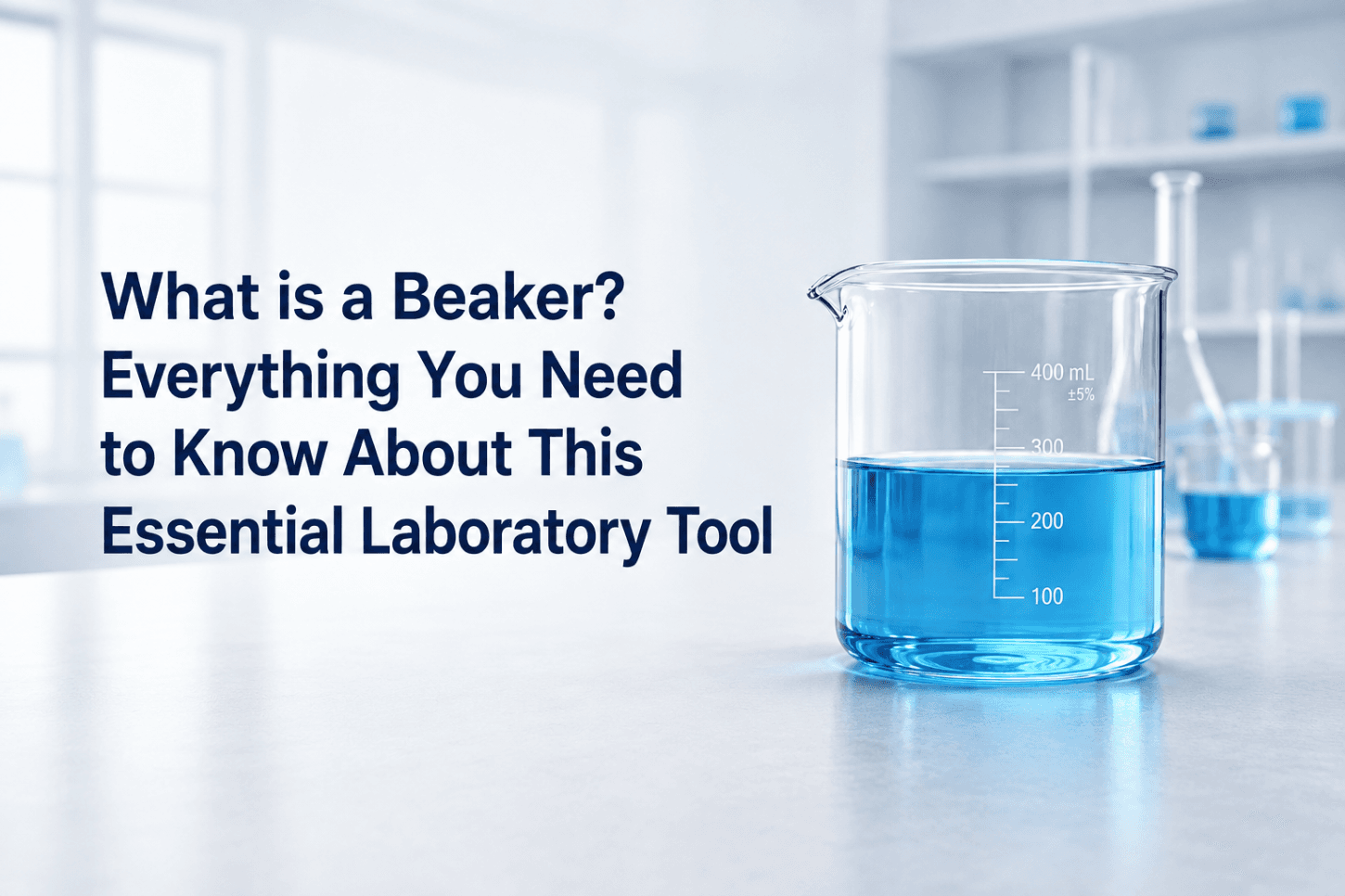
The beaker is a workhorse of the South African laboratory, at home in minerals and assay work, water and environmental testing, SANAS-accredited quality control and teaching labs. This guide explains what a beaker is, the shapes and materials on offer, and how to choose the right size and grade, with an interactive beaker finder and fill demo.