The Retsch Test Sieve, 200 x 50 mm, 20 µm Woven Wire Mesh, Stainless Steel, ISO 3310-1 is designed for separation, fractionation and particle size determination. Its 200 mm diameter frame, 50 mm height and 20 µm nominal aperture suit laboratory procedures requiring this fine mesh size. The stainless steel construction and securely tensioned woven wire mesh support consistent sieve analysis.
Key Features:
Brand: Retsch
Frame Dimensions: 200 mm diameter x 50 mm height
Mesh Aperture: 20 µm nominal opening
Surface Type: Woven wire mesh for particle separation
Material: Stainless steel frame and mesh for corrosion resistance and ease of cleaning
Standard: ISO 3310-1 for metal wire cloth test sieves
Applications: Separation, fractionation and particle size determination
Feed Materials: Powders, bulk materials and suspensions, subject to the suitability of the sample and sieving method
Fields of Application: Chemistry, pharmaceuticals, food, geology, metallurgy and construction materials testing
Traceability: Individually laser-engraved identification for tracking and quality control records
Quality Verification: Optical inspection and a supplied test report
Choose this Retsch test sieve when your method specifies a 20 µm aperture in a 200 mm sieve stack. Its stable frame, permanently tensioned mesh and traceable identification support routine laboratory testing and documented quality control.
It is used to separate and assess particulate samples where the test procedure requires a 20 µm nominal aperture. Applications include fractionation and particle size determination. The sample characteristics and chosen sieving method must be suitable for analysis through this fine mesh.
This version is specified to ISO 3310-1, which addresses metal wire cloth test sieves. The standard defines requirements for the sieve openings and wire dimensions, helping laboratories select sieves with controlled tolerances for their analytical procedures.
The rigid stainless steel frame supports the woven mesh, which is securely joined and permanently tensioned during manufacture. This construction helps maintain the screening surface during use, while the corrosion-resistant steel facilitates cleaning between samples.
RETSCH supplies each sieve with a test report. Laser engraving identifies the nominal aperture, serial number, manufacturer, standard and dimensions, allowing the sieve to be linked to laboratory records. Special inspection and calibration certificates are available on request.
Discover the composition, properties and laboratory uses of borosilicate glass, including its role in South African mining, water testing, food, pharmaceutical, university and industrial laboratories.
A laboratory desiccator keeps its contents in a dry, low-humidity atmosphere, protecting hygroscopic reagents and moisture-sensitive samples and cooling heated samples for accurate weighing. This guide covers what it is, what it is used for, the main types, the desiccants that go inside, and how it works, with an animated drying cycle and a setup finder.
The Buchner funnel is the standard tool for fast vacuum filtration across South African labs, from minerals and assay work to SANAS-accredited QC. This guide covers what it is, what it is used for, how to set one up step by step, the main materials, and how vacuum filtration works, with an animated apparatus and a funnel finder.
A separating funnel parts two immiscible liquids by density and is central to liquid-liquid extraction, from minerals and assay work to environmental testing and SANAS-accredited QC. This guide walks through what it is, how it works step by step, the pear-shaped and conical types, and how to choose one, with an animated demo and funnel finder.
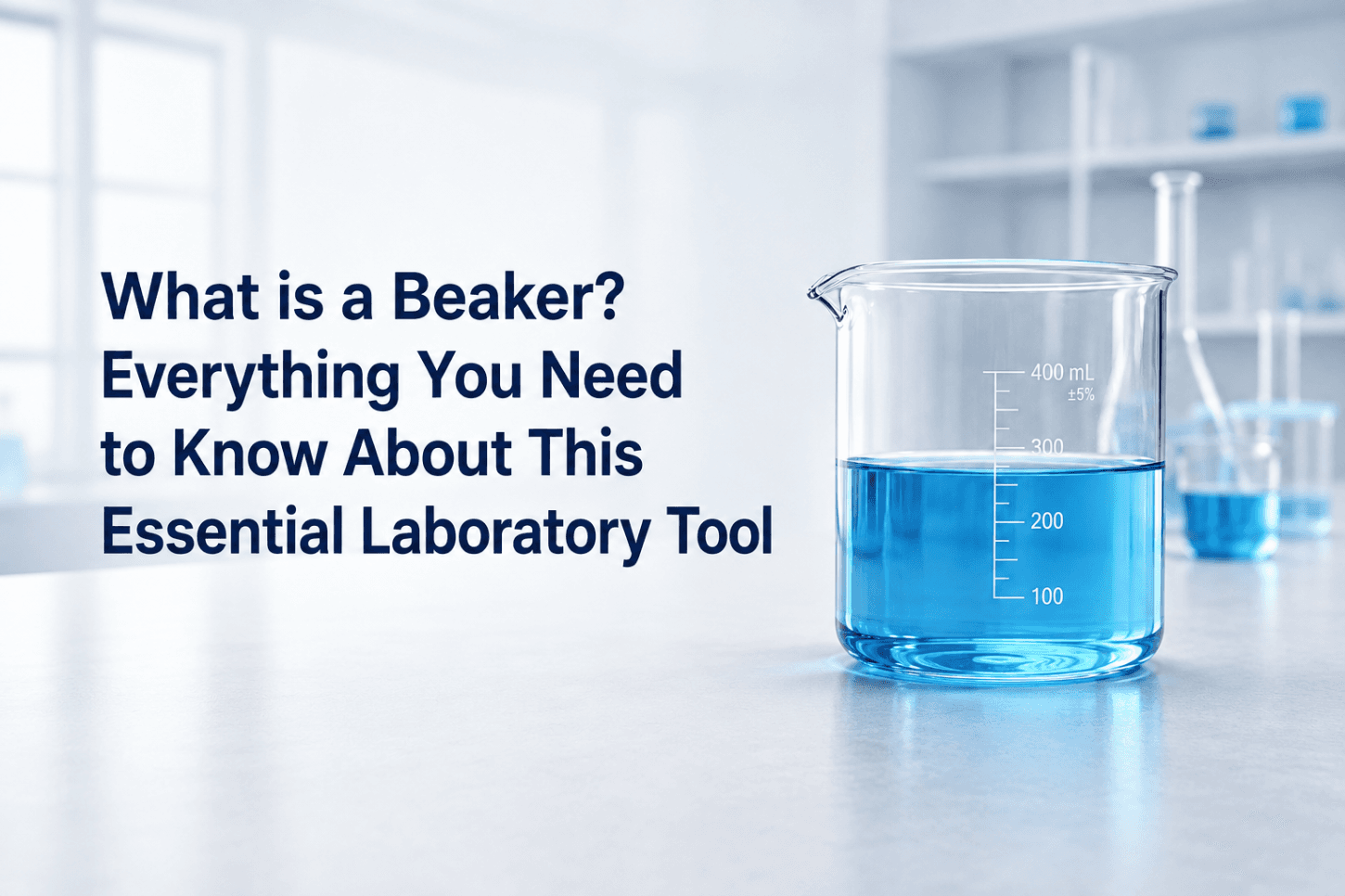
The beaker is a workhorse of the South African laboratory, at home in minerals and assay work, water and environmental testing, SANAS-accredited quality control and teaching labs. This guide explains what a beaker is, the shapes and materials on offer, and how to choose the right size and grade, with an interactive beaker finder and fill demo.